In biomass processing, sawdust drying is not just a “pre-treatment”—it is the difference between stable pellet quality and constant production stops. Many plants still fight the same trio of problems: inconsistent outlet moisture, clogged conveying sections, and fuel bills that scale faster than output.
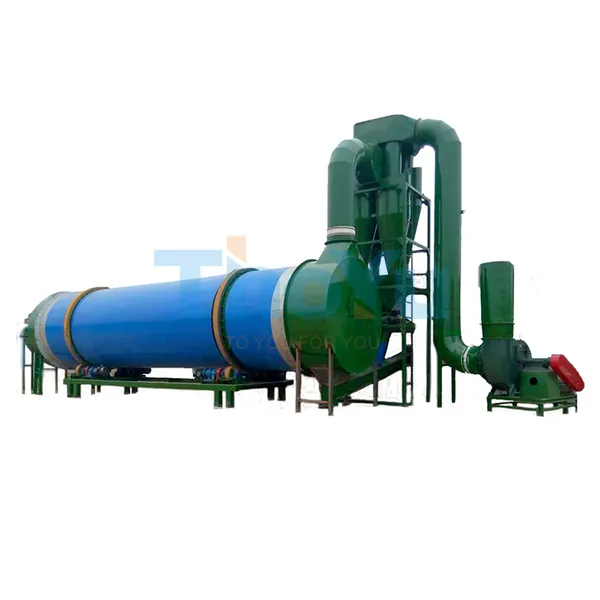
The compact rotary drum dryer from Zhengzhou Tuoyu Electromechanical Equipment Co., Ltd. is designed specifically for wood-based materials. By combining a slightly inclined rotating drum with a direct hot-air flow system and internal lifting flights (fins), it targets a practical goal for pellet lines and biomass fuel plants: moisture content below 10% with a 30%–50% energy saving versus common legacy dryer setups (depending on fuel, insulation, and feed moisture).
Space is rarely “free” in a working plant. A compact rotary drum dryer reduces footprint and simplifies installation logistics—especially when retrofitting an existing line. In real B2B projects, compactness can translate into measurable savings: fewer foundation changes, shorter duct runs, and less heat loss from oversized piping.
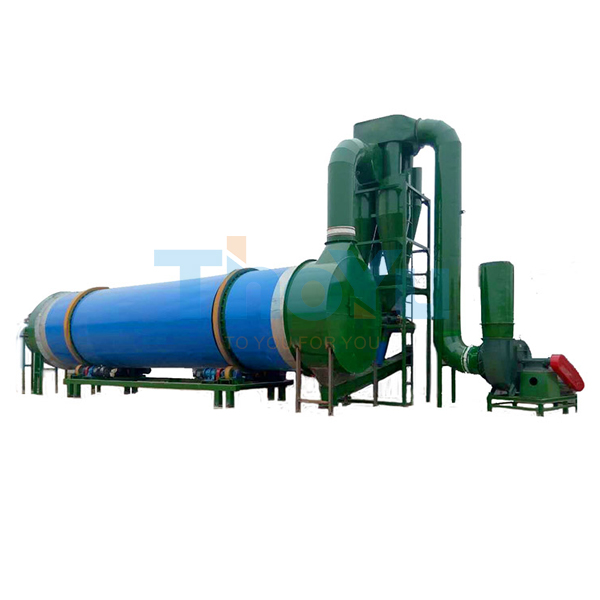
The heart of this rotary drum sawdust dryer is a horizontal drum with a slight inclination. As the drum rotates, gravity and rotation work together to move material forward continuously. This design reduces bridging and accumulation—common causes of unstable drying and frequent shutdowns in older conveyor-type systems.
For sawdust and fine wood particles, “blocking” usually happens when moisture is uneven and particles agglomerate. A rotating drum continuously turns and disperses the bed, lowering the risk of dead zones. For plants producing pellets, this stability typically shows up as:
This system uses direct airflow, meaning hot air contacts the wet sawdust directly. Compared with indirect heating, direct airflow typically delivers higher thermal efficiency for biomass drying—especially when paired with proper dust control and safe operating parameters.
Inside the drum, lifting flights (also called fins) pick up sawdust and “shower” it through the hot air stream. This increases the contact surface area between air and material, improving convective heat transfer and shortening residence time. In practice, well-designed flight geometry can reduce fuel consumption by about 30%–50% compared with basic drum dryers that lack effective lifting and mixing (actual results depend on feed moisture, inlet air temperature, insulation, and airflow control).
| Design Element | How It Improves Drying | Typical User Benefit |
|---|---|---|
| Direct hot-air contact | High convective heat transfer to wet fibers | Shorter drying time, lower energy per ton |
| Internal lifting flights | “Curtain” of material increases air/material contact area | More uniform moisture, fewer wet pockets |
| Continuous drum conveying | Rotation + slope prevents stagnation | Reduced clogging, steadier throughput |
For wood-based materials, overheating can cause darkening, odor, and dust explosion risks, while underheating results in unstable moisture and pellet press problems. This compact rotary drum dryer is typically operated with a stable hot-air temperature in the 150°C–180°C range to maintain drying intensity without sacrificing process safety and product quality.
While each plant’s feedstock differs, many operators aim for 8%–10% outlet moisture for stable pelletizing and storage. With proper airflow and residence time, this dryer is positioned to achieve below 10% for typical sawdust feeds.
If inlet moisture is high (e.g., 35%–55%): increase hot-air volume first, then fine-tune inlet temperature; avoid “temperature-only” increases that may scorch surface fibers while core stays wet.
If outlet moisture fluctuates: stabilize feeding rate and check flight lifting behavior; inconsistent curtains often indicate uneven feed or sticky zones caused by too-low air volume.
If dust load increases: verify cyclone efficiency and seal points; excessive air velocity can carry fines—optimize airflow to balance drying and dust capture.
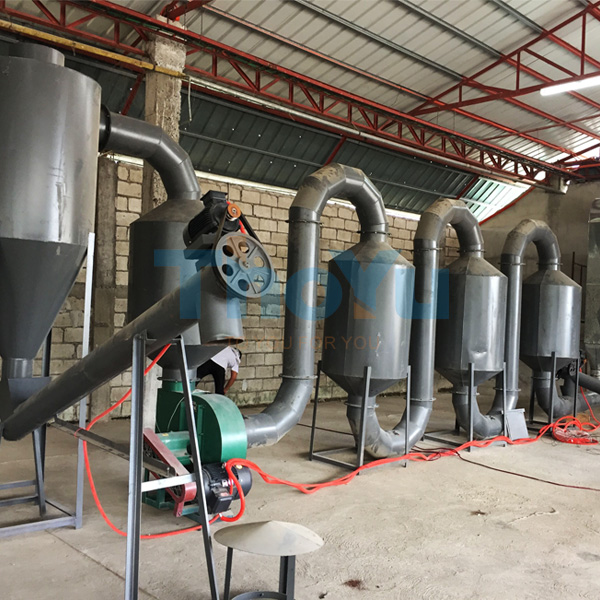
A modern wood chips/sawdust drying system must consider both emissions control and operating cost. This solution is typically paired with a cyclone dust collector to reduce particulate discharge and recover usable fines. Cyclones are valued in biomass plants because they are mechanically simple, stable at high temperatures, and cost-effective for pre-separation.
Depending on local fuel availability and compliance requirements, plants commonly select a hot air furnace compatible with biomass, natural gas, or other standard industrial fuels. In real operations, matching the furnace to the dryer’s airflow demand is often where energy savings are won or lost—steady combustion and consistent air volume help the dryer hold moisture targets without overburning.
Consider a medium biomass facility drying sawdust from mixed wood processing. A common incoming moisture range is 40%–50% (wet basis) after storage and handling. With a controlled inlet air temperature around 160°C–175°C and stable feeding, the process can typically bring outlet moisture to 8%–10%, reducing pellet press load swings and improving finished pellet durability.
| Process Stage | Typical Condition | Operational Impact |
|---|---|---|
| Feed sawdust | 40%–50% moisture (wet basis) | High variability; risk of uneven pellet quality |
| Drying zone | 150°C–180°C hot air, direct contact | Fast evaporation; uniform mixing via flights |
| Outlet material | 8%–10% moisture | Pelletizing becomes steadier; fewer press interruptions |
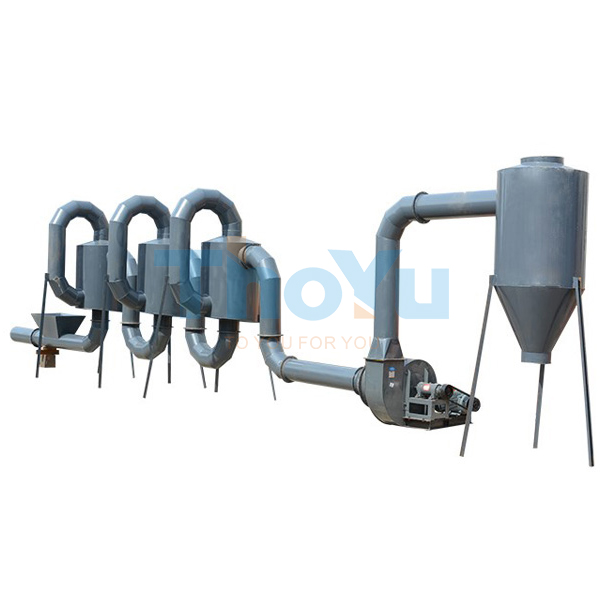
Traditional drying lines often suffer from one or more structural limitations: insufficient mixing, uncontrolled airflow, and large, inefficient layouts that leak heat. This compact system focuses on continuous conveying, direct high-efficiency heat exchange, and practical integration (cyclone + furnace choices) to improve both performance and operating discipline.
Non-blocking drum conveying and consistent material lifting help keep throughput steady—valuable when upstream feeding and downstream pelletizing must remain synchronized.
Direct hot air contact plus optimized flights can reduce energy waste, supporting the commonly reported 30%–50% fuel saving window versus less optimized dryers.
Compact structure simplifies installation and ducting, often reducing commissioning complexity—especially when upgrading an existing sawdust or wood chips line.
For procurement leads and plant engineers, the fastest way to confirm fit is to match feed moisture, target capacity, fuel type, and dust-handling requirements to a recommended configuration. A technical manual with layout guidance and parameter ranges can shorten the selection cycle and reduce commissioning risk.