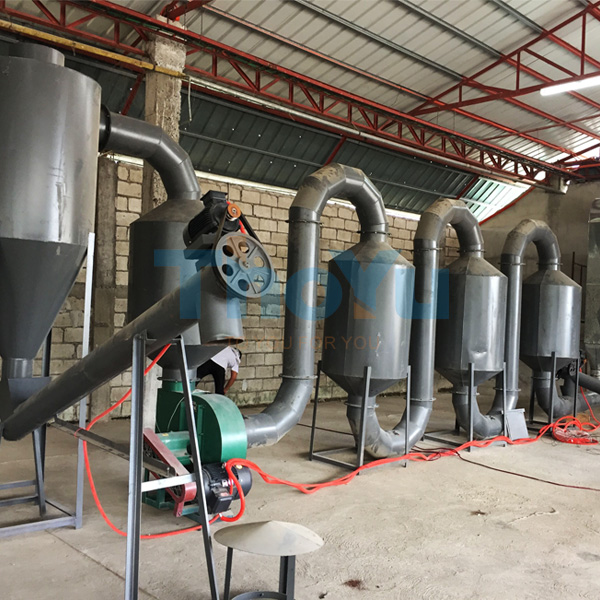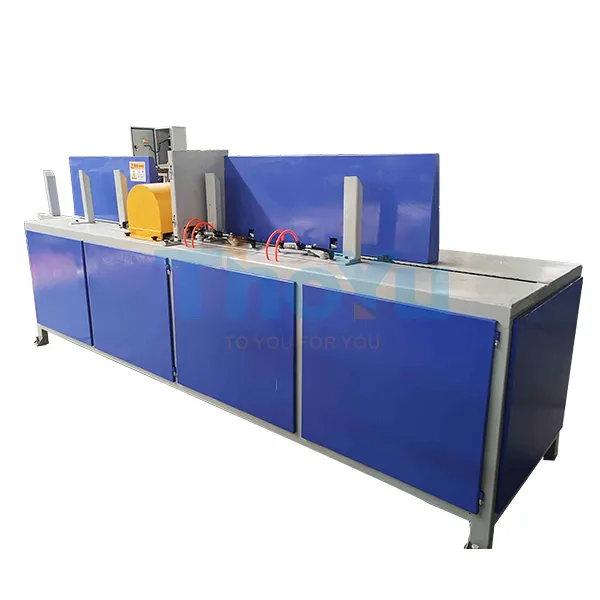

In the wood processing industry, efficient drying of wood chips is paramount for enhancing product quality and reducing operational costs. Traditional drying equipment has long been criticized for excessive energy consumption, uneven drying performance, and large spatial demands. Addressing these challenges, Zhengzhou Tuoyu Electromechanical Equipment Co., Ltd. presents its cutting-edge compact rotary drum dryer specifically optimized for wood chip applications. This article conducts a technical deep dive into the innovative design features and energy-saving technologies that set this equipment apart, emphasizing its practical benefits for wood processing enterprises and procurement decision-makers.
Conventional rotary drum dryers often feature inclined drums with indirect heating methods that result in uneven heat distribution and frequent hot spots. These inefficiencies lead to energy wastage with typical consumption levels exceeding 200 kWh per ton of dried material. Additionally, bulky equipment footprints require extensive factory space and result in higher installation and maintenance costs. Wood chips dried by such systems frequently retain moisture levels above 15%, which can adversely impact downstream processing and product stability.
The Tuoyu compact rotary drum dryer integrates a horizontally oriented, slightly inclined rotary drum that enables continuous, uniform conveyance of wood chips. Unlike traditional cascade drying, the direct airflow drying technique within the drum optimizes heat transfer by directing hot gases through the material bed. This principle significantly improves drying uniformity while minimizing thermal gradients.
One of the key proprietary innovations is the internal finned structure embedded within the drum shell. These fins disrupt boundary layers, intensifying turbulent flow and enhancing convective heat transfer coefficients by 25%-40%, based on laboratory and field tests. This design leads to a remarkable 30%-50% energy saving compared to conventional rotary dryers under similar throughput conditions.
The equipment maintains optimal operating temperatures between 120°C and 160°C, adjustable per wood species and feedstock moisture content. With intelligent temperature control systems, operators can achieve precise drying control, reducing wood chip moisture content to below 10%. Field deployments report moisture reductions from initial 40%-50% down to the targeted range within 1.5 to 2 hours of processing, increasing overall production efficiency.
The unit’s compact design reduces the required floor space by approximately 35% compared to traditional rotary drum dryers. This space-saving aspect is especially beneficial for wood processing plants facing land constraints or high rental costs. Additionally, the simplified structural layout shortens installation times, cutting construction-related expenses and downtime.
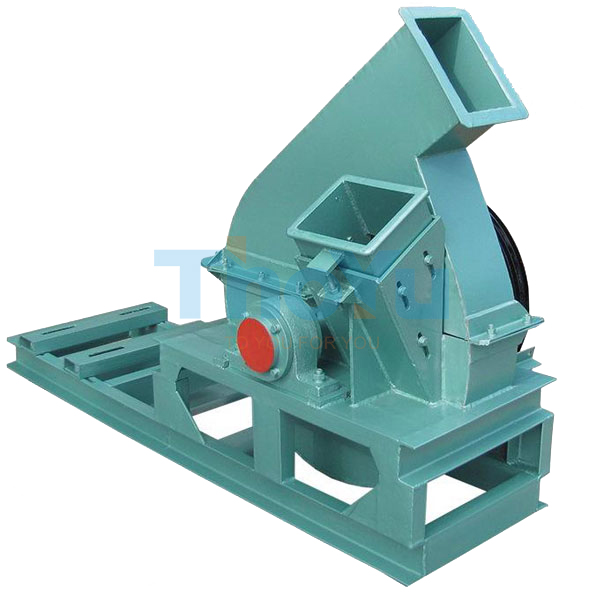
To complement the drying system, the company offers integrated cyclone dust collectors that achieve particulate removal efficiencies above 95%, significantly reducing airborne pollutants. Optional energy-efficient hot air furnaces, including biomass-fired and electric models, deliver flexible heating solutions aligned with environmental regulations and operational budgets.
These ancillary systems help clients achieve full compliance with stringent emission standards while optimizing fuel consumption. Life cycle cost analyses reveal a typical reduction in carbon footprint by up to 40%, alongside direct economic savings through reduced fuel usage and maintenance frequency.
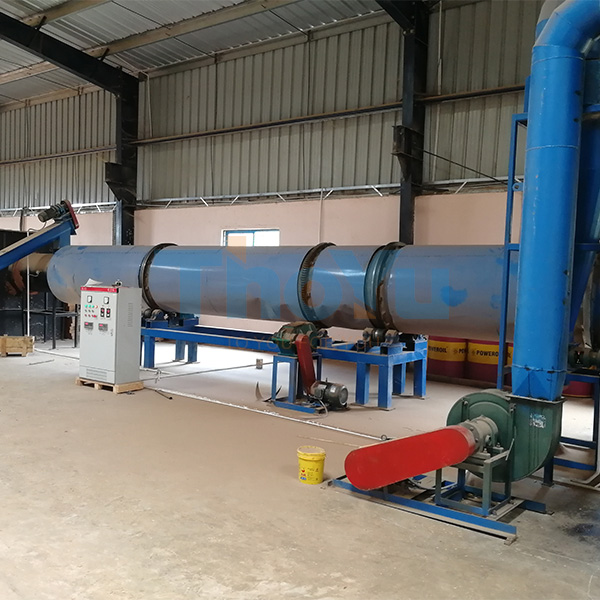
This rotary drum drying system excels in medium to large scale wood chip production lines, with throughput capacities ranging between 5 to 30 tons per hour. Enterprises seeking to upgrade existing drying lines or build new installations can optimize parameters such as airflow rates, drum rotation speed, and furnace temperature to align with specific wood species and ambient humidity conditions.
To maximize performance, regular maintenance of internal fins and periodic calibration of temperature sensors are strongly recommended. Operators will find the user-friendly control panel beneficial for monitoring real-time drying parameters and adjusting operational settings swiftly.