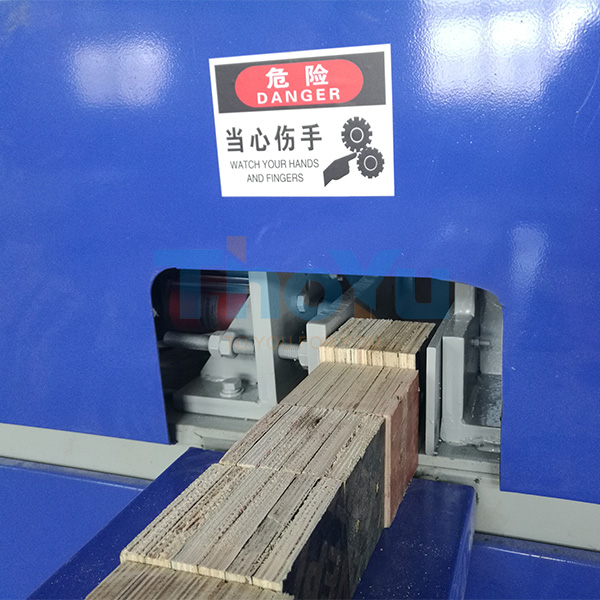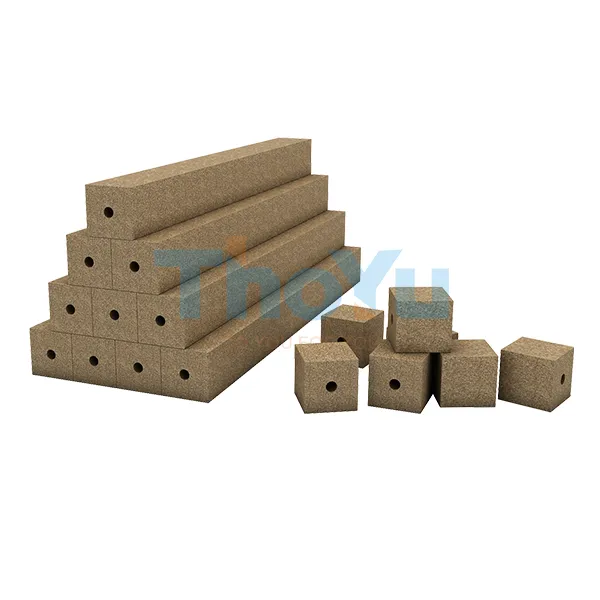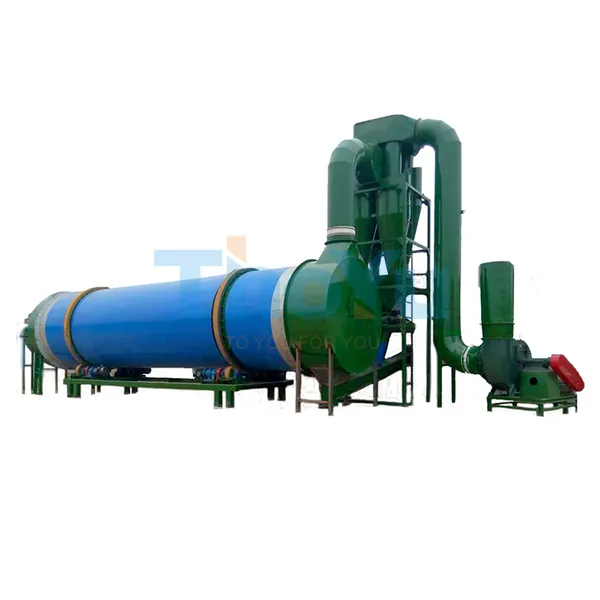

As pallet manufacturing evolves, integrating high-performance CNC wood saws is no longer optional—it's a necessity. You, as a production manager or operations decision-maker, need precise insights into how cutting accuracy, automation level, and control system stability directly impact your throughput, costs, and safety. This guide deciphers these critical indicators and shares practical expertise from real-world industrial scenarios, illuminating the path to selecting the right pallet cutting equipment that drives tangible gains.
Choosing a CNC wood saw tailored to your pallet and wooden box manufacturing workflow hinges on evaluating four core parameters:
The transition from conventional to intelligent CNC wood saws translates to a marked leap in productivity. Modern CNC systems embed automated material feeding, error diagnostics, and optimized cut sequencing — collectively resulting in a 25–35% reduction in cycle time. This efficiency not only trims operational expenses but also elevates your plant’s throughput, essential when scaling pallet output.
Pallet blocks and traditional wooden boxes have distinct cutting requirements. For pallet blocks, rapid dimension changes and dense layouts necessitate saws with dynamic programmability and rapid blade adjustment. Conversely, wooden box manufacturing prioritizes edge finish quality and minimized chatter marks, emphasizing vibration dampening and stable feed rates.
Common pitfalls such as blade overheating or feed rate mismatches can be proactively mitigated by selecting CNC saw models supporting real-time cutting parameter monitoring—enabling you to adjust operations swiftly to maintain optimal output.
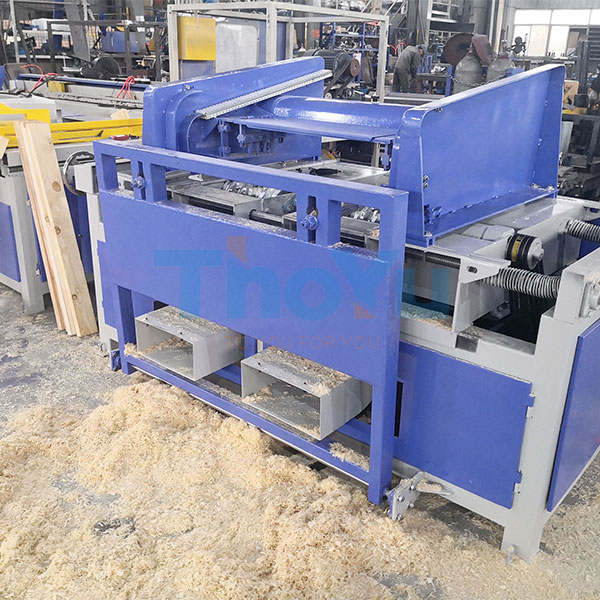
Consider a medium-scale pallet plant that integrated a ThoYu CNC wood saw equipped with a user-centric HMI and automated blade calibration. Their operators reported a 35% reduction in setup time and a 22% increase in daily output within the first quarter post-installation. User feedback highlighted the intuitive interface and stable PLC control system as key enablers.
Based on accumulated operational data, the following practices are advised:
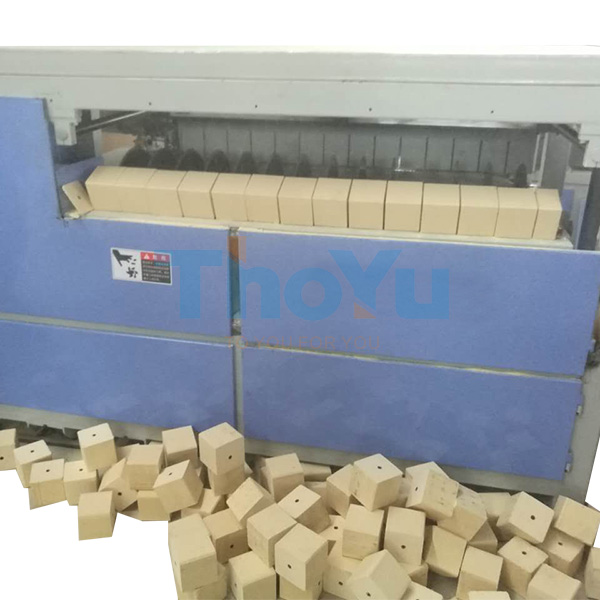
Modern PLC control wood saw solutions integrate seamlessly into your production line, coordinating with upstream and downstream equipment. This interconnectedness lowers error rates and enhances process visibility. For instance, automated adjustment of blade speed based on real-time wood density readings can prolong tool life by 15%, maximizing overall plant efficiency.