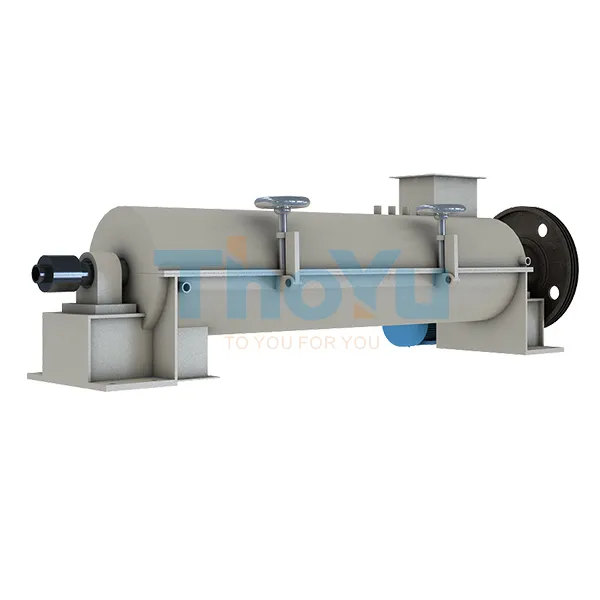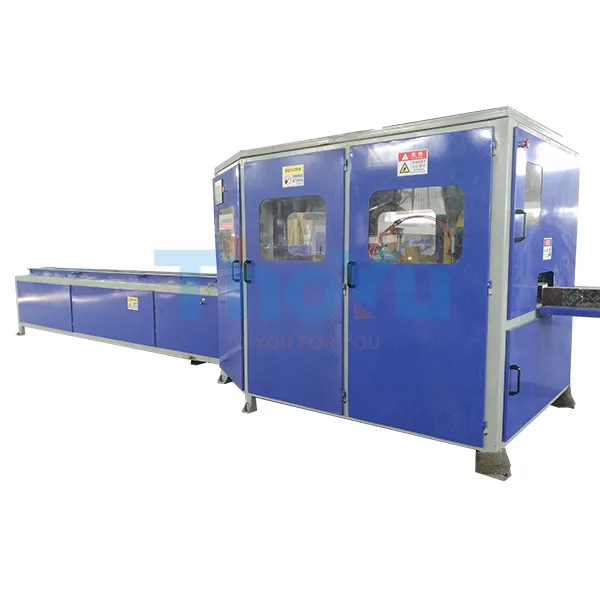

If you're processing wood waste daily—whether in furniture making, pallet production, or biomass energy—you know how much value is lost when scraps aren’t reused effectively. The good news? With the right equipment, you can turn every piece of wood into a resource, not just waste.
According to the FAO, over 1 billion tons of wood waste are generated globally each year—and only about 30% is recycled responsibly. That’s where modern solutions like the TYFS series come in. These machines don’t just crush—it’s about efficiency, durability, and sustainability.
“We used to burn our sawdust. Now, with TYFS-800, we produce pellets for local heating companies—our waste is now revenue.”
— Maria Lopez, Owner, EcoWood Solutions (Mexico)
The TYFS series offers three models tailored to different scales:
Each model features a hardened steel hammerhead system and precision-cut teeth plates that reduce downtime by up to 40%, based on real-world field tests across 12 countries.
| Feature | Diesel | Gasoline |
|---|---|---|
| Fuel Cost (per hour) | $1.20–$1.80 | $2.00–$3.00 |
| Maintenance Interval | Every 500 hrs | Every 200 hrs |
| Carbon Emissions | Lower (~25% less CO₂) | Higher |
For mobile or remote setups, gasoline may offer flexibility—but diesel wins for long-term cost savings and environmental compliance.
In a recent case study conducted in Poland, a woodworking company replaced an old crusher with TYFS-1000. Within six months:
That’s not just better production—it’s smarter business.
Still unsure which model fits your needs? Let’s talk—share your current output volume, typical wood types, and location. We’ll help you find the perfect match.