
Bamboo waste recycling has emerged as a vital component in sustainable biomass fuel production. The critical nexus in this process lies in matching the bamboo material’s crushed particle size with the pelletizing operation to optimize energy output, reduce machine downtime, and maximize economic returns. This guide by ThoYu systematically explores how particle size selection, combined with moisture control and handling techniques, impacts pellet quality and production efficiency.
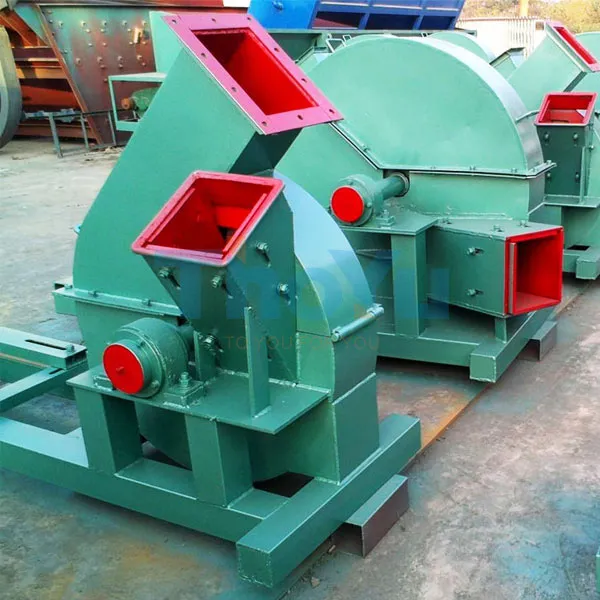
The first step in biomass pellet production involves crushing bamboo waste into an appropriate particle size range. Studies show that particle sizes between 1 to 4 millimeters provide an optimal balance for pellet density and structural integrity. Particles finer than 1 mm increase dust and clogging risks, while coarser particles (>4 mm) reduce pellet durability and densification efficiency.
Screen mesh selection during crushing directly influences the particle size distribution. For bamboo wastes, typical screen meshes range from 3 mm to 6 mm, enabling producers to tailor output based on the downstream pellet mill specifications.
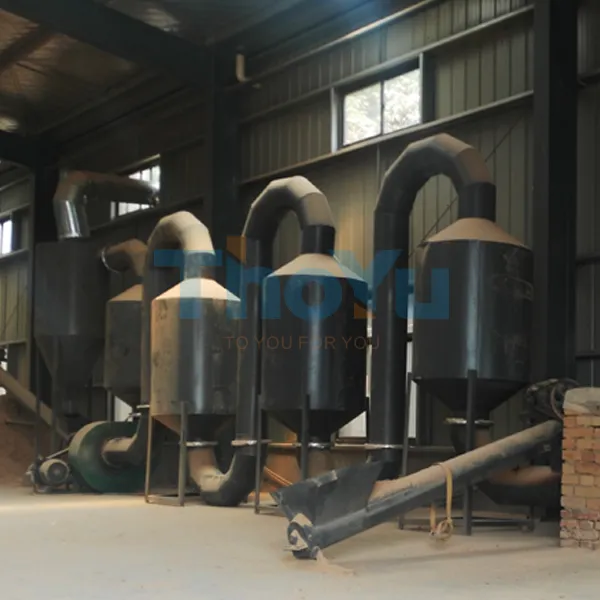
Moisture content of crushed bamboo is another crucial factor. The ideal water content lies between 10% to 15%. Excessive moisture causes material agglomeration and promotes blockages inside pelletizers, while too dry feedstock leads to poor pellet cohesion and higher fines.
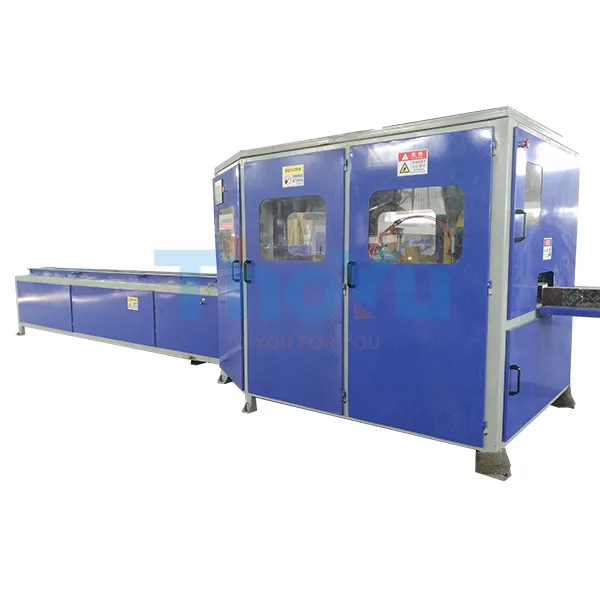
Matching particle size optimizes energy consumption and throughput. Trials from bamboo product manufacturers reveal that adjusting the crusher screen to produce particles around 2.5 mm results in a 15% increase in pellet mill throughput and 20% reduction in machine downtime caused by blockage compared to using a 5 mm screen mesh.
A well-controlled particle size distribution also enhances pellet hardness and combustion characteristics. Denser pellets produced from optimally crushed bamboo waste demonstrate higher calorific values, reaching up to 18.5 MJ/kg, improving fuel efficiency for downstream users.

Precise moisture control ensures material plasticity favorable for pellet binding. Common control methods include pre-drying or humidification adjustments before crushing. Monitoring moisture continuously with near-infrared sensors in modern plants facilitates maintaining stable conditions.
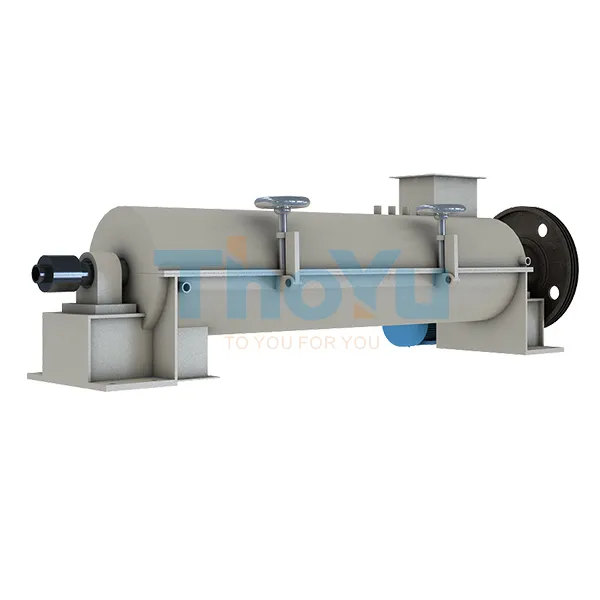
Transport and feeding equipment must align with material characteristics post-crushing. Systems employing gentle conveyors help prevent particle degradation or segregation, preserving the optimal size distribution for pellet pressing.
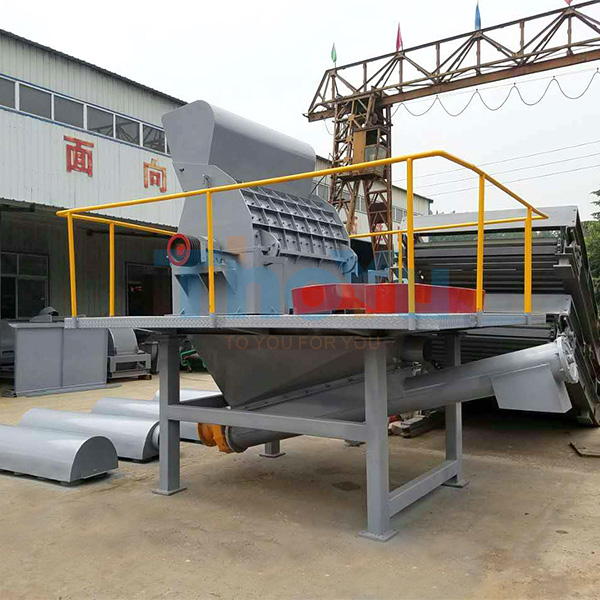
A leading bamboo products factory in Zhejiang integrated an optimized crushing and pelletizing line tailored to local bamboo waste. By switching to crusher screens targeting a 2.5 mm particle size, along with rigorous moisture control protocols, the plant achieved:
The success underlines the importance of cross-process coordination— from crushing parameters to moisture management and conveying systems—for enhanced biomass fuel output from bamboo residues.
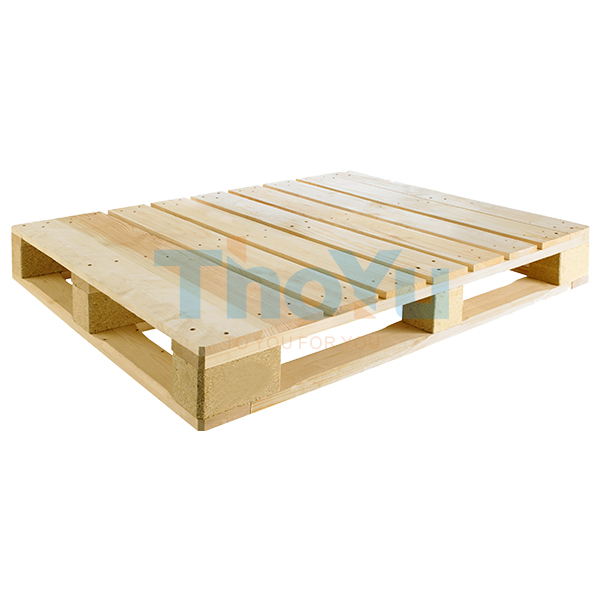
The optimization of bamboo waste particle size represents a strategic lever to achieve effective biomass pelletizing. When combined with water content regulation and sophisticated material transport, enterprises ensure smooth operation and high-quality fuel output.
Moreover, alignment of crushing and pelletizing is a foundation for broader industry chain integration, facilitating bamboo waste resource valorization and circular economy objectives. Cross-departmental data sharing and process digitization further enhance this synergy.
As the demand for renewable bioenergy intensifies globally, companies utilizing bamboo waste for biomass fuels hold a competitive edge by adopting these evidence-based operational improvements recommended by ThoYu.
What particle size and moisture control challenges have you faced in your biomass fuel production? Share your experiences or questions below to join the conversation and help drive innovation in bamboo waste resource utilization.