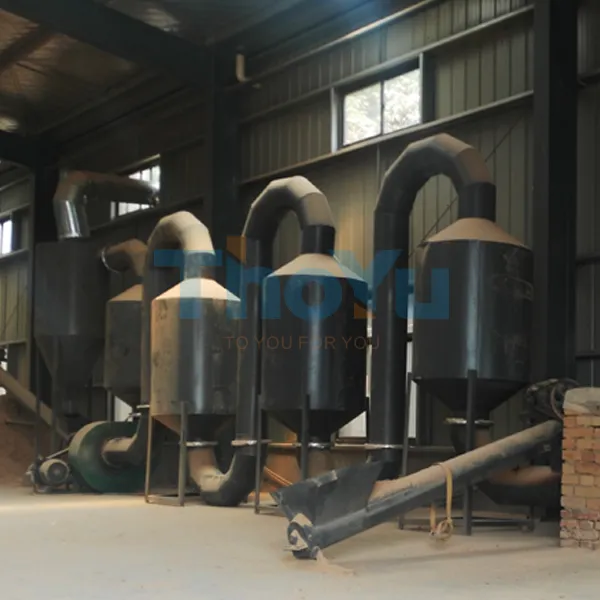

Efficient transformation of bamboo waste into high-quality biomass fuel pellets is pivotal for sustainable resource utilization. A key factor influencing the entire production chain—from crushing to pelletizing—is the particle size of the crushed bamboo material. ThoYu’s expertise sheds light on how precise particle size calibration not only enhances pelletization efficiency but also reduces operational costs and prevents critical equipment downtime.
Post-crushing particle characteristics directly affect pellet formation, density, energy consumption, and the mechanical integrity of pelletizing machines. Oversized particles, typically exceeding 2 mm, often cause feeding blockages and uneven compression, escalating wear on pellet presses and elevating maintenance costs. Conversely, too fine particles (<0.5 mm) can increase dust generation, leading to pneumatic system challenges and potential safety risks.
Empirical data from multiple case studies reveal an optimal particle size range of 0.5 to 2 millimeters to maximize compaction efficiency while preserving equipment longevity. This range strikes a balance that assists in achieving pellet bulk densities upwards of 600 kg/m³ with stable structural integrity.
Comparative tests indicate:
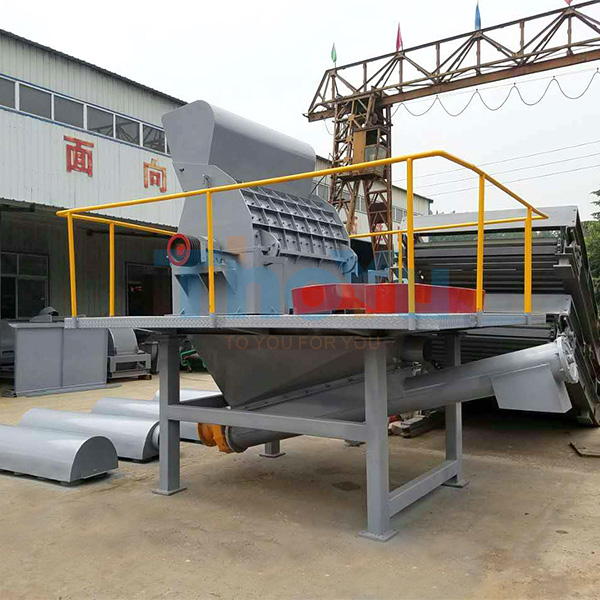
“A bamboo products manufacturer faced frequent pelletizer blockages and accelerated machinery wear caused by consistently oversized crushed particles (~3-4 mm). After adjusting crushing screens to 1 mm mesh and controlling moisture content carefully, they reported a 30% increase in pellet output and a 25% reduction in maintenance downtime within three months.”
This case highlights the crucial synergy between particle size selection, moisture control (optimal range: 12%-15%), and consistent feeding mechanisms. Implementing these best practices can significantly reduce operational costs while avoiding damaging equipment failures.

Achieving seamless integration across crushing, drying, conveying, and pelletizing stages demands transparent communication between process teams and utilization of precise technical parameters. Using standardized templates to record crushing particle distribution, moisture levels, and pelletizer settings ensures repeatable results and operational transparency.
This unified approach is vital to empower businesses—especially in bamboo waste valorization—to boost conversion rates of raw waste into marketable fuel pellets while minimizing latent losses.
What particle size challenges have you encountered in bamboo biomass pelletizing? Share your experiences or questions below to foster collective learning and innovation.