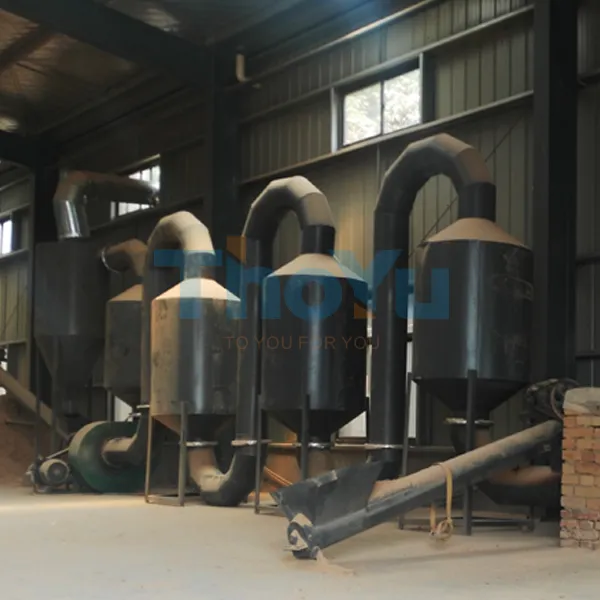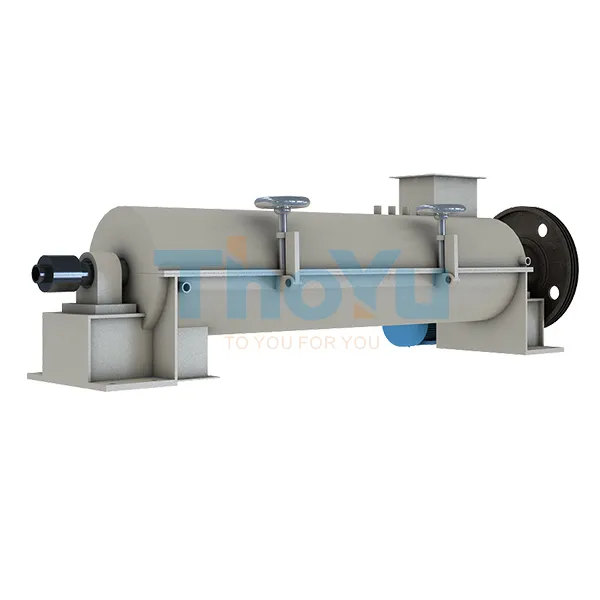

As industries increasingly prioritize sustainable biomass processing, the ThoYu bamboo straw shredding equipment stands out for its optimized design to elevate shredding efficiency while controlling energy consumption. This article explores the critical technical aspects that impact performance — from advanced blade structure to rotation speed and feeding methods — providing actionable insights for technicians and managers in bioenergy, MDF production, and eco-material recycling sectors.
The blade assembly directly influences pulverizing precision and throughput. ThoYu’s approach integrates multi-edge, variable angle blades crafted with abrasion-resistant alloy steel to maximize cutting sharpness and lifespan. This design reduces particle size variability and helps achieve a consistent final product grade, critical in processes like biomass pelletizing.
Optimization includes adjustable blade spacing to accommodate variable fiber densities inherent in bamboo and straw materials — essential since over-tight spacing risks clogging while excessive clearance lowers efficiency.
Controlling rotor speed is paramount in balancing energy expenditure and output volume. Studies show ideal rotation ranges between 1200-1600 RPM for typical dry bamboo straw, ensuring optimal shear forces without overheating or blade damage.
Moreover, refined feeding strategies — such as regulating feed rate and implementing pre-shredding stages — prevent feedstock compaction, which otherwise causes jams and excessive wear. Automated feed control contributing to a 15% increase in continuous uptime has been documented.

Bamboo and straw materials present varying moisture content (from 8% to 35%) and densities depending on harvesting and storage conditions, requiring real-time adjustments of machine parameters. For example, higher moisture necessitates lowered rotor speed by 10-15% to prevent clogging and blade corrosion, while denser batches benefit from increased blade overlap.
Parameter maps designed from field data enable operators to adjust settings quickly, maintaining particle size uniformity within ±0.2 mm variation, significantly improving downstream product consistency.
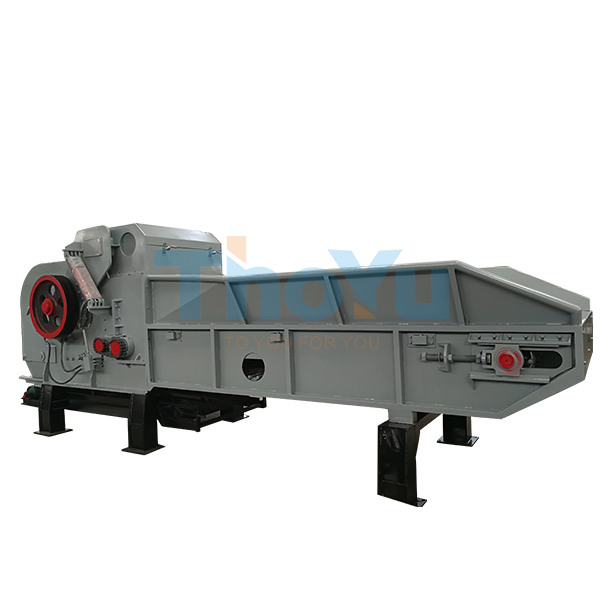
Blockages usually originate from uneven feed distribution or excessive fiber entanglement. Implementing vibration feeders and adjustable feeding chutes minimizes these issues. Additionally, regular inspection schedules focused on blade sharpness and rotor bearings extend operational life by up to 30%.
In cases of abrasive contaminants common in field-harvested materials, coatings on internal surfaces and moisture-sensitive sensors provide early warning of wear, enabling predictive maintenance and avoiding unexpected downtime.
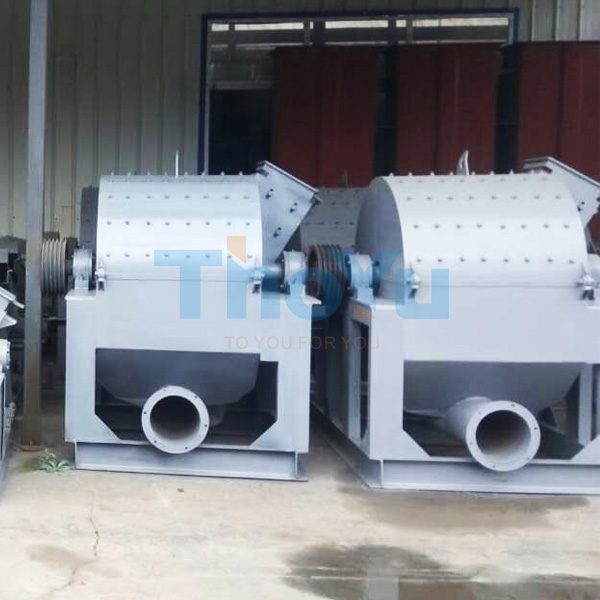
A notable ThoYu installation in Southeast Asia processed over 200 tons of bamboo straw monthly, realizing a 20% reduction in energy consumption alongside a 25% uptick in processed throughput compared to previous machinery. Adjustments in blade configuration and dynamic feed speed control introduced during commissioning were instrumental.
These improvements reduced trial-and-error downtime by approximately 40%, showcasing substantial economic and environmental benefits.
We encourage professionals working in bioenergy, particle board manufacturing, and recycled materials to share their experiences or questions about bamboo and straw shredding technology. Your feedback helps drive continuous innovation and tailored solutions in this vital industry.