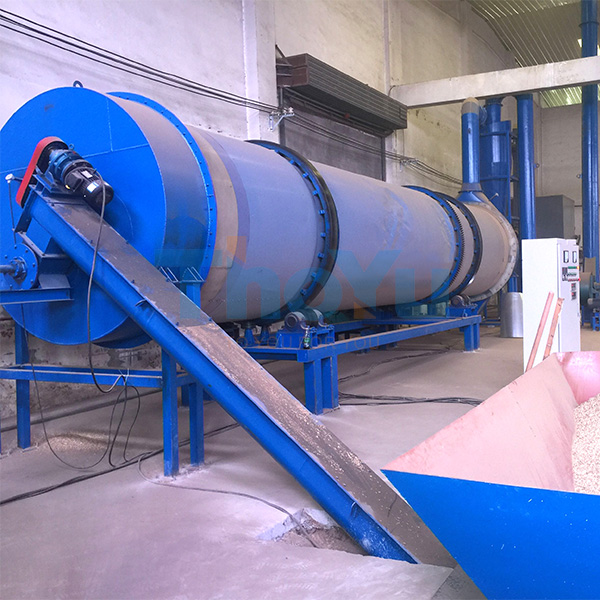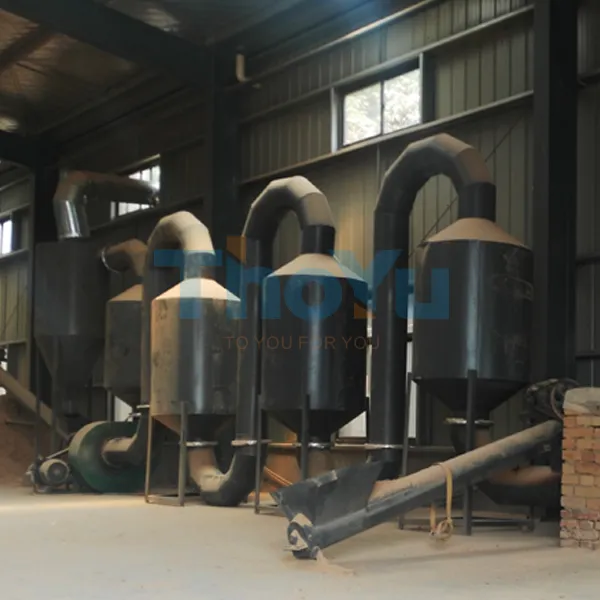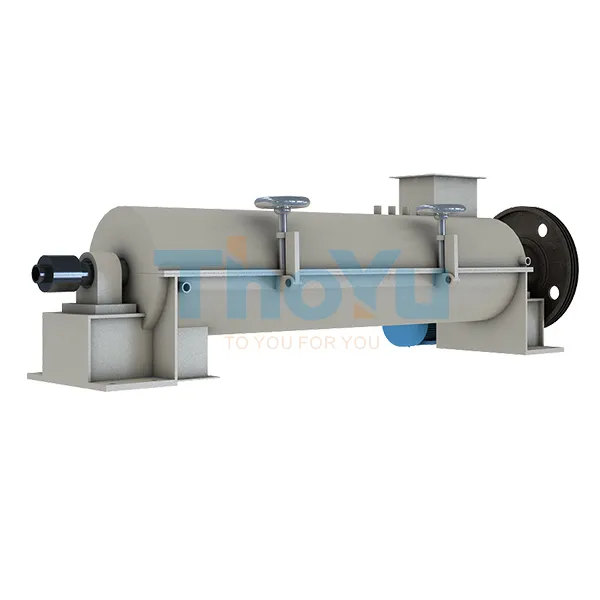

In the wood processing industry, controlling the moisture content of raw materials such as sawdust, wood shavings, and rice husks is critical for optimizing downstream operations like block extrusion. ThoYu’s airflow drying technology offers a reliable, energy-efficient solution to reduce moisture levels from approximately 12% down to the ideal range of 6%-8%, enhancing both product quality and process stability.
Airflow drying operates by directing heated air at carefully controlled temperatures and velocities through the wood materials, facilitating moisture evaporation. The key lies in balancing temperature, airflow speed, and material retention time — parameters that govern drying efficiency without damaging the material integrity.
Industry Insight: Excessive drying temperature above 80°C risks thermal degradation of lignocellulosic materials, while insufficient air velocity prolongs drying time, compromising production throughput.
The drying temperature, airspeed, and retention time must be optimized to achieve consistent moisture reduction. Typically, temperature ranges between 60°C and 75°C with airflow velocities from 3 to 6 m/s are effective for most wood-based residues.
| Parameter | Typical Range | Effect on Drying |
|---|---|---|
| Drying Temperature | 60°C - 75°C | Controls evaporation rate, avoids thermal damage |
| Air Velocity | 3 - 6 m/s | Enhances moisture removal by increasing heat transfer |
| Retention Time | 5 - 15 minutes | Ensures sufficient exposure for uniform drying |
Wood-based residues exhibit unique drying behaviors, requiring tailored parameter adjustment:
Practical Tip: Monitoring moisture gradient within the material bed helps fine-tune airflow distribution for uniform drying, which directly improves block extrusion quality downstream.
Implementing real-time process control integrating temperature sensors, airflow meters, and moisture analyzers allows operators to respond promptly to material variability. This precision reduces over-drying or under-drying risks, elevates the finished product’s consistency, and minimizes energy consumption.
Routine maintenance of drying equipment—including filter cleaning and blower inspection—sustains airflow efficiency and prevents downtime, ensuring continuous high output.
Besides achieving moisture control targets, advanced airflow drying technology offers significant energy savings compared to traditional drying methods, contributing to reduced carbon footprints. Additionally, the moderate temperature processes help preserve material quality, positively affecting extrusion processes such as brick block forming by providing uniform feedstock moisture.
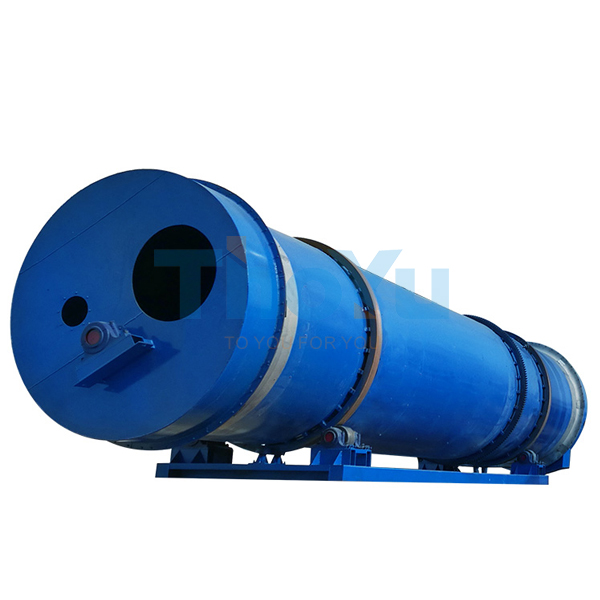
A leading manufacturer employing ThoYu’s airflow drying equipment achieved moisture content reduction from 12% to 7%. This control enhanced extrusion stability, reduced product defects by 15%, and improved energy efficiency by 12% compared to previous drying solutions.
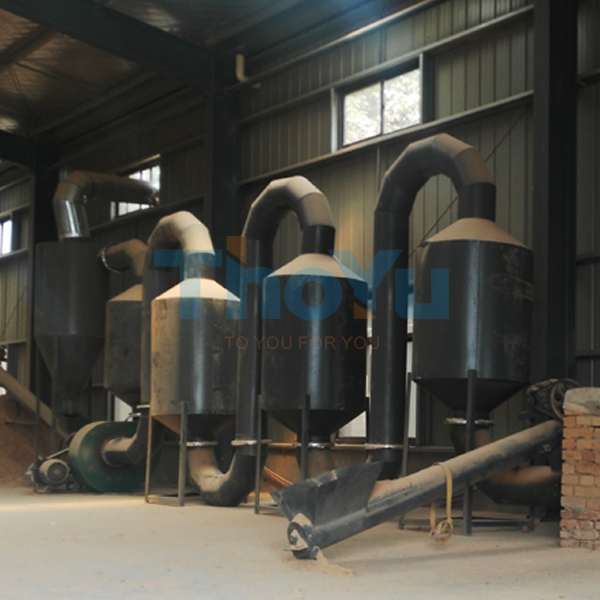
To maximize your wood processing efficiency with precise moisture control, understanding and tuning your airflow drying parameters is essential. ThoYu’s expertise in airflow drying technology supports your operational goals through tailored, energy-conscious solutions.
Discover Customized Airflow Drying Solutions