
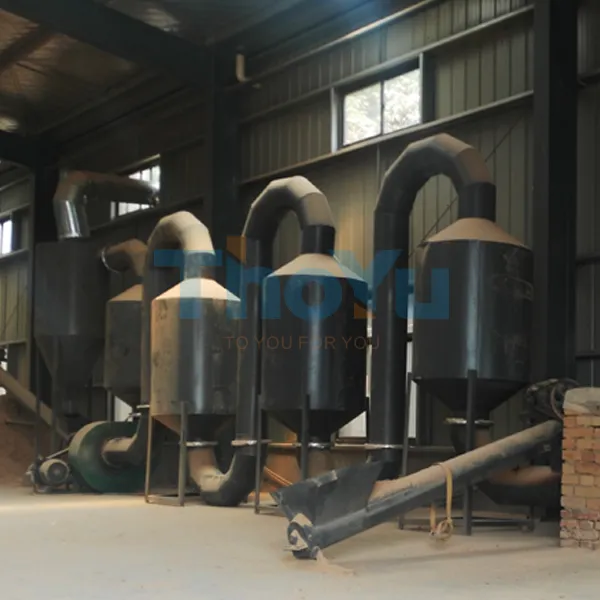
Optimizing Airflow Drying Equipment Selection: Flexible Parameter Adjustment Based on Raw Material Moisture

26 03,2026
ThoYu
Technical knowledge
In airflow drying equipment selection, fluctuations in raw material moisture often lead to capacity mismatches and unstable drying performance. This article comprehensively explores how to flexibly adjust equipment parameters according to material moisture content. Covering yield evaluation, material characteristics analysis, and coordinated control of automated feeding systems, it provides practical techniques and operational guidelines to help you avoid common selection pitfalls and achieve efficient, energy-saving operation with ThoYu's advanced airflow drying technology.
Flowchart for dynamic parameter adjustment in airflow drying equipment

Airflow Drying Equipment Selection: How to Flexibly Adjust Parameters Based on Raw Material Moisture Content

Selecting the right airflow drying equipment can feel like navigating a minefield, especially when raw material moisture fluctuates unpredictably. Without precise equipment parameter adjustments, you risk production inefficiencies, unstable drying quality, and energy waste. This guide unpacks how you can optimize your airflow drying process by dynamically tailoring key parameters based on the moisture content of your raw materials — ensuring every batch delivers maximum value without costly downtime.

Why Moisture Variability Challenges Equipment Selection

Raw materials such as rice husks, wood chips, and biomass often have inherent moisture variation due to seasonal changes, harvesting methods, and storage conditions. For example, moisture content can swing between 10% to 30%, directly impacting how much heat and airflow your drying equipment needs.

If the drying equipment is rigidly set for a single moisture target, you may face:

  • Under-drying when moisture is higher than expected, leading to spoilage or product rejection.
  • Excessive energy consumption and throughput bottlenecks when moisture is lower than anticipated.
  • Unnecessary wear on components due to improper airflow or temperature settings.

Dynamic Parameter Adjustment: The Essentials

To meet your production goals despite moisture fluctuation, focus on three core parameters that can be flexibly adjusted:

  1. Airflow Volume: Higher moisture requires increased airflow to carry away evaporated water, but excessive airflow wastes energy and may impact particle suspension negatively.
  2. Drying Temperature: Optimal temperature balances energy efficiency and product integrity. For moisture-rich materials, a higher temperature shortens drying time but must stay within thermal stability limits.
  3. Material Residence Time: Adjust the duration raw materials remain in the drying chamber to ensure complete drying without overprocessing. Longer times might be needed for wet batches, but throughput targets must be maintained.

For example, when drying wood chips with moisture ranging from 15% to 28%, you might increase airflow from 4 m³/min to 6 m³/min and raise temperature from 120°C to 140°C while slightly extending residence time by 10-15%. This prevents under-drying while controlling energy use tightly.

Case Insight: Adapting to Different Material Absorption Characteristics

Consider rice husks, which have a high hygroscopic property and tend to reabsorb moisture quickly. Your drying parameters must be particularly nimble:

  • Initial moisture spike: A higher initial airflow combined with staged temperature ramping avoids cracking or burning.
  • Moisture drop phases: Gradual reduction of airflow and temperature improves energy efficiency and product uniformity.

In contrast, wood residues with lower absorption rates tolerate steadier process controls but require monitoring to prevent overheating.

Automation: Synchronizing Feeding and Drying for Stability

Automated feeding and discharge systems become your allies in managing those moisture-induced fluctuations:

  • Real-time feed rate control: Adjusts input quantity based on current moisture sensor data to maintain consistent load.
  • Adaptive drying profile: Links with temperature and airflow controls for dynamic parameter shifting as moisture levels change.
  • Feedback loop integration: Enables rapid response to batch variability without manual intervention.

This integration helps avoid production halts caused by mismatched equipment settings and raw material inconsistencies — ultimately safeguarding your output quality and operational uptime.
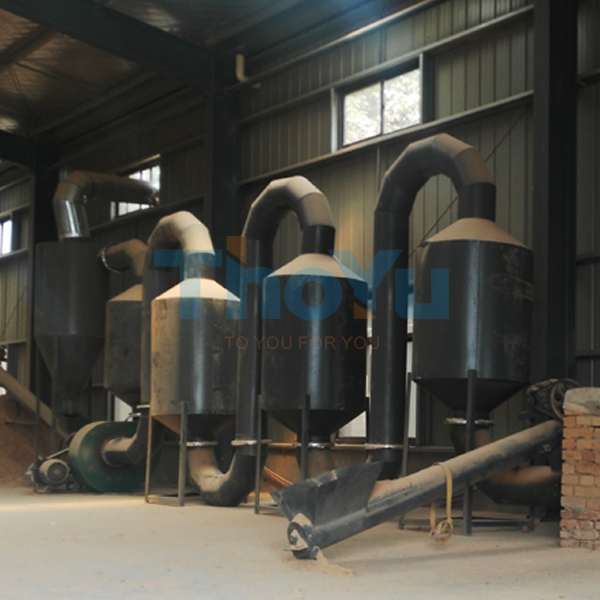
Flowchart for dynamic parameter adjustment in airflow drying equipment

Energy Efficiency: Airflow Drying vs. Traditional Methods

Traditional batch drying methods typically consume 25-30% more energy compared to a well-optimized airflow drying system. ThoYu’s approach leverages:

  • Precise temperature control that avoids overheating.
  • Variable airflow regulation to match moisture load in real time.
  • Reduced drying cycle time via optimized residence periods.

These elements collectively lower your energy consumption by approximately 15-20%, translating to substantial operational cost savings annually.

Practical Tools: Daily Calibration Checklist to Avoid Pitfalls

Implementing a daily calibration routine safeguards against drift and inefficiency in your drying process. A simple checklist includes:

  • Verify moisture sensor accuracy against known standards.
  • Inspect airflow sensors and clean filters to prevent blockage.
  • Test temperature sensors and heating elements for consistency.
  • Review automated feeder synchronization for responsiveness.

Routine execution minimizes unforeseen downtime and empowers you to adjust parameters confidently before production starts.
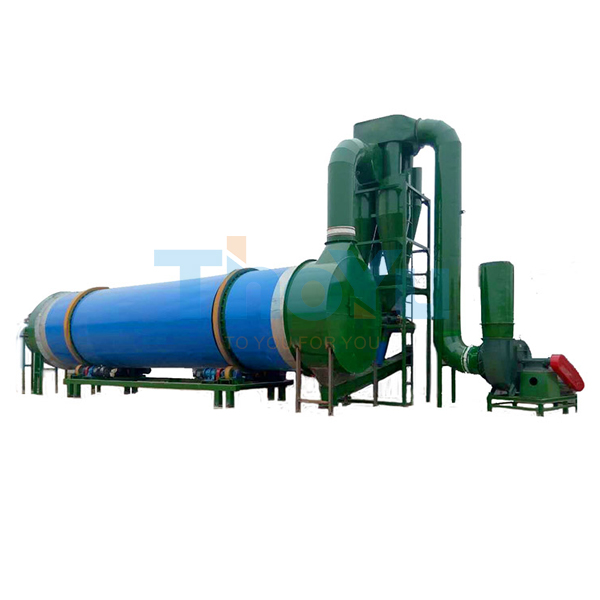
Comparison chart of energy consumption: airflow drying vs traditional drying methods

Enhance Your Drying Operations Today

Don't let mismatched equipment parameters turn your moisture variability into costly downtime. Adapt with precision, automate intelligently, and unlock energy-efficient drying that scales with your raw material demands. When your airflow drying system is tuned to tackle moisture shifts dynamically, you protect your bottom line and let every gram of raw input realize its full potential.
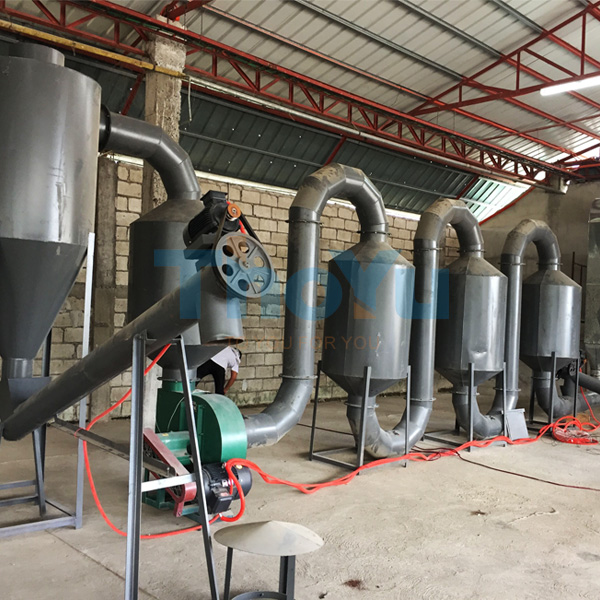
Operator adjusting controls on automated airflow drying equipment

We’d Love Your Thoughts

How does your facility currently handle moisture variation in drying processes? Have you faced challenges in parameter adjustments? Share your experience or questions below — your insights could benefit peers navigating similar complexities.

Name *
Email *
Message*

Recommended Products

Popular articles
Recommended Reading

Related Reading

Contact us
Contact us
https://shmuker.oss-cn-hangzhou.aliyuncs.com/tmp/temporary/60ec5bd7f8d5a86c84ef79f2/60ec5bdcf8d5a86c84ef7a9a/thumb-prev.png