Optimizing Airflow Drying Equipment: Adjusting Capacity Based on Husk and Wood Chip Moisture Variability

24 03,2026
ThoYu
Technical knowledge
This article provides an in-depth guide on selecting airflow drying equipment tailored to different raw materials such as rice husks and wood chips. It analyzes the challenges of mismatched drying capacities and material adaptability, emphasizing the impact of moisture absorption differences on drying parameters. Leveraging the instant drying technology and automated feeding system of Zhengzhou ThoYu Electromechanical's airflow dryers, the article outlines strategies for precise moisture control and capacity adjustment. Real industry cases and practical parameter calibration tips are included to help enterprises enhance drying efficiency, avoid bottlenecks, and reduce resource waste. Comparisons between traditional and instant airflow drying methods highlight advantages in response speed and energy consumption, offering valuable insights for technical decision-makers and production managers.
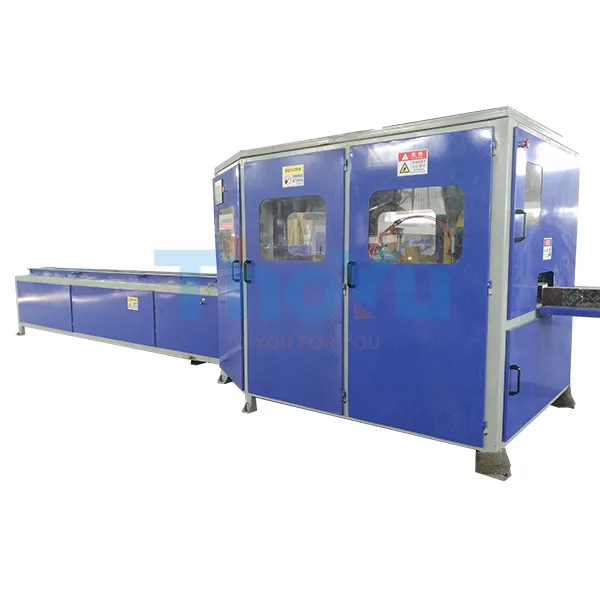
ThoYu airflow drying machine operating efficiently with rice husks and wood chip materials

Optimizing Airflow Drying Equipment Selection for Rice Husk and Wood Chips: Precision Capacity Adjustment Based on Moisture Absorption Differences

Selecting the right airflow drying equipment is critical for industries processing raw materials like rice husks and wood chips, where moisture content and absorption rates vary significantly. A mismatch in drying capacity or misaligned parameters can trigger production bottlenecks and energy waste. This article delves into ThoYu’s advanced airflow dryers, illustrating how their instantaneous drying technology and automated feed systems empower operators to dynamically adapt to varying moisture levels, ensuring optimal drying efficiency and maximal throughput.

Understanding the Core Challenges in Airflow Dryer Selection

Many production facilities face two pervasive issues when choosing airflow drying systems:

  • Capacity Mismatch: Overestimating or underestimating required throughput results in either underutilized equipment or processing delays.
  • Poor Material Compatibility: Ignoring the moisture absorption characteristics unique to each raw material, such as highly hygroscopic rice husks versus less absorbent wood chips, leads to ineffective drying cycles and inconsistent product quality.

Moisture Absorption: Rice Husk vs. Wood Chips

Rice husks and wood chips inherently differ in their moisture retention and absorption rates, impacting drying parameter settings substantially. Typical moisture content ranges for raw materials before drying are:

Material Typical Initial Moisture Content (%) Hygroscopicity Level Drying Parameter Impact
Rice Husk 18% - 25% High Requires rapid moisture removal; shorter retention time; sensitive temperature control
Wood Chips 30% - 45% Moderate Longer drying cycles acceptable; stable feed rate preferred

Leveraging ThoYu’s Airflow Drying Solutions for Precision Moisture Control

ThoYu integrates sophisticated instantaneous drying technology with automated feeding mechanisms, allowing dynamic adjustment based on the material's moisture profile:

  • Instantaneous Drying: Rapid air velocity and controlled temperature cycles ensure moisture is efficiently removed without overheating or damaging fibers, crucial for highly absorptive rice husks.
  • Automated In-Out Feeding Systems: Precision feed regulation maintains optimized residence times, indispensable for wood chips that require steady drying intervals.
  • Capacity Adjustability: Operators can scale throughput in real-time to align with fluctuating raw material moisture content or production demands, minimizing bottlenecks.

Industry Case Study: Enhancing Drying Efficiency in Wood Processing

A leading biomass power plant faced frequent downtime due to uneven drying of rice husks versus wood chips fluctuating in moisture levels. By deploying ThoYu’s airflow drying equipment with integrated automated feed controls and instant drying functionality, they observed:

  • Reduction of drying cycle time by 22%
  • Energy consumption savings averaging 15%
  • Improved product uniformity with final moisture content variance reduced below 2%

“The flexibility of capacity tuning and precise moisture control helped us optimize production without costly downtime.”

Parameter Calibration Best Practices for Stable Drying Performance

Dynamic parameter adjustment is essential for sustained drying efficiency. Recommended calibration checklist includes:

  1. Verify initial moisture content of incoming raw material via gravimetric measurement.
  2. Adjust drying air temperature within the 80-120°C range depending on material (lower for wood chips to avoid degradation).
  3. Set air velocity to balance retention time (typically 15-30 m/s for rice husks, 10-20 m/s for wood chips).
  4. Calibrate automated feeder speed to ensure consistent material flow without surges, aligning with target capacity.
  5. Perform weekly maintenance checks on sensors and feed conveyors to prevent drift in automation accuracy.

Inclusion of ThoYu’s sensors provides real-time monitoring enabling immediate response to parameter deviations that could affect product quality or energy consumption.

Comparative Advantage: Traditional vs. Instantaneous Airflow Drying Technologies

Criteria Traditional Drying Instantaneous Drying (ThoYu)
Response Speed Slow; requires long cycle times to avoid incomplete drying Rapid adaptation to moisture fluctuation within seconds
Energy Efficiency Higher energy consumption due to prolonged heating Lower energy usage by targeting precise drying times
Capacity Scalability Limited; manual adjustments needed Highly adjustable via automation to match real-time demand

Interactive FAQ Section

How does one determine the optimal drying temperature for different materials?

Optimal drying temperature depends on material sensitivity. Rice husks benefit from 90-110°C to balance drying speed and fiber integrity; wood chips require slightly lower temperatures around 80-95°C to prevent thermal degradation.

Can the airflow drying system handle sudden changes in moisture content?

Yes. Thanks to real-time moisture sensors and automated feeders, ThoYu’s system adjusts air velocity and feed rates dynamically, maintaining stable drying performance despite raw material fluctuations.

Discover How ThoYu’s Airflow Dryers Maximize Your Production Efficiency Today

Summary Insights on Equipment Optimization

Plants processing rice husks and wood chips achieve superior outcomes by integrating equipment that accommodates moisture absorption differences with flexible capacity controls. ThoYu’s instantaneous drying and automated feed innovations redefine airflow drying standards, unlocking enhanced throughput, energy savings, and quality consistency within demanding biomass and wood processing workflows.
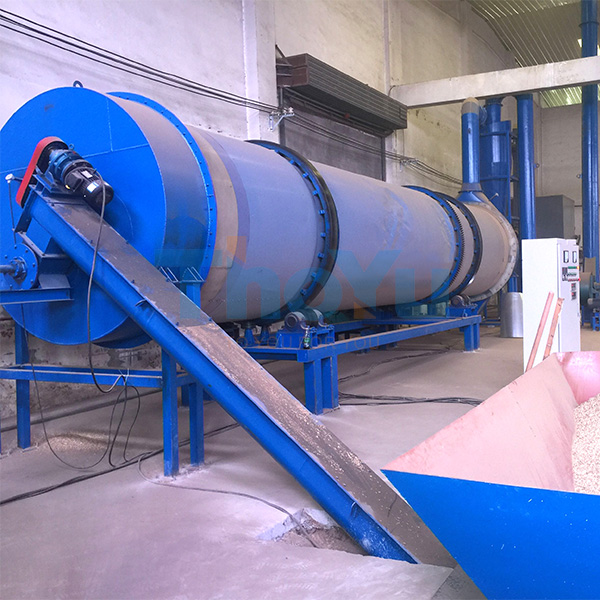
ThoYu airflow drying machine operating efficiently with rice husks and wood chip materials

Investing in intelligent airflow drying solutions is a strategic move for manufacturers aiming to future-proof their operations amid raw material variability. Explore ThoYu’s air-drying equipment today to achieve tailored drying precision that aligns with your production goals.
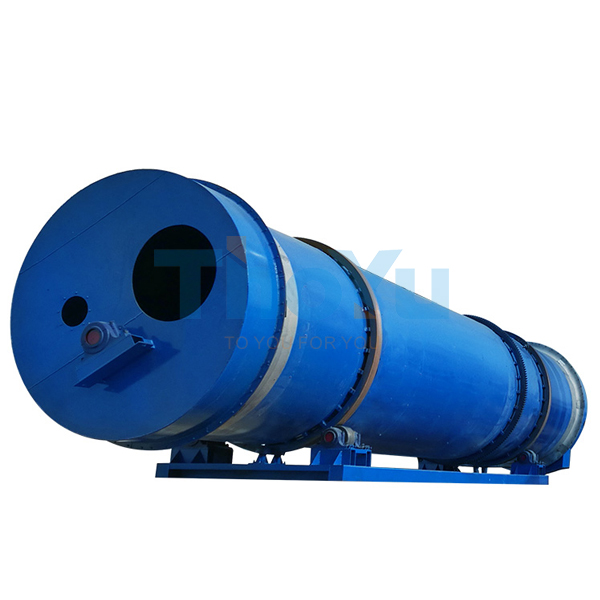
Comparative chart illustrating drying efficiency between traditional and instantaneous flow drying methods

With the correct alignment of material moisture data and automated system parameters, overcoming drying inefficiencies and capacity bottlenecks becomes achievable — solidifying your competitive position in wood processing and biomass industries.
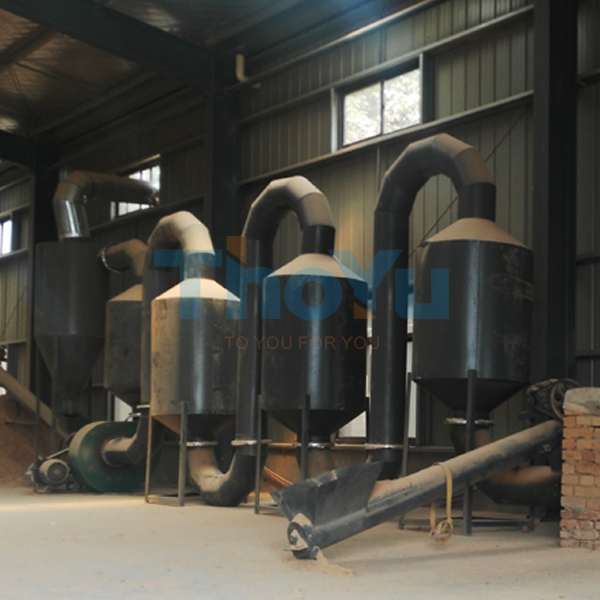
Close-up of automated feed control system onboard ThoYu’s airflow dryer showing precision throughput adjustment
Name *
Email *
Message*

Recommended Products

Popular articles
Recommended Reading

Related Reading

Contact us
Contact us
https://shmuker.oss-cn-hangzhou.aliyuncs.com/tmp/temporary/60ec5bd7f8d5a86c84ef79f2/60ec5bdcf8d5a86c84ef7a9a/thumb-prev.png