Advanced Airflow Drying Technology for Precise Wood Moisture Control
23 03,2026
Technical knowledge
This article provides a comprehensive analysis of ThoYu's advanced airflow drying machine featuring instant airflow drying technology. It explains the drying principles and how key parameters—drying temperature, airflow speed, and retention time—enable precise moisture content control in wood processing materials. Real-world industrial cases demonstrate the equipment’s effectiveness in reducing wood moisture from 12% to an optimal 6%-8%, meeting feeding standards for block extrusion machines and enhancing subsequent processing quality and efficiency. The article also offers practical operation guidelines and maintenance tips to help enterprises optimize workflows, improve product stability, and increase qualification rates. Emphasizing energy efficiency and environmental friendliness, the content equips readers with in-depth understanding and innovative solutions for airflow drying applications.
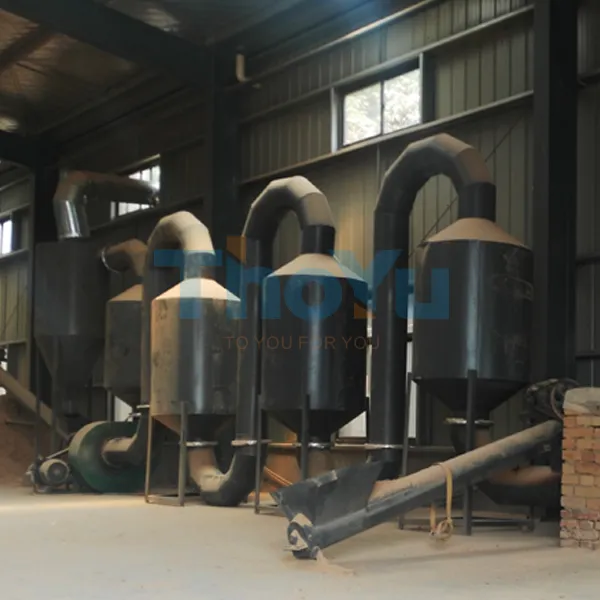
Understanding Airflow Drying Technology for Precise Wood Moisture Control
Wood processing industries face significant challenges in achieving consistent moisture content in raw materials such as sawdust, wood chips, and rice husks. Maintaining an ideal moisture range—typically between 6% to 8%—is crucial for downstream applications like block extrusion machines. ThoYu's advanced airflow drying technology leverages instantaneous drying mechanisms that enable precise moisture regulation, enhancing product quality and operational efficiency.
Core Principles of Instantaneous Airflow Drying
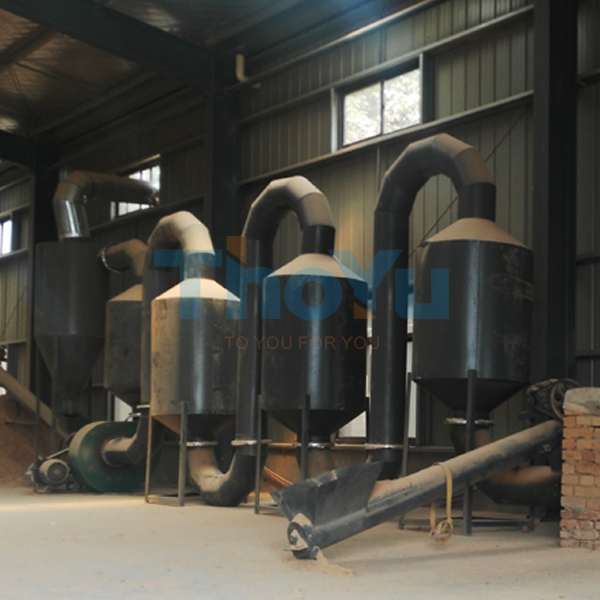
The instantaneous airflow drying process is based on the rapid transfer of heat and mass between the drying medium and wood particles. Key parameters affecting drying performance include:
- Drying Temperature: Maintaining an optimal range between 80°C and 110°C ensures efficient moisture evaporation without damaging wood integrity.
- Air Velocity: Controlled airflow speeds of 15–25 m/s facilitate uniform drying by minimizing moisture gradients within bulk materials.
- Residence Time: The material's passage time in the drying chamber—typically 10 to 25 seconds—is finely tuned to balance drying completeness and energy consumption.
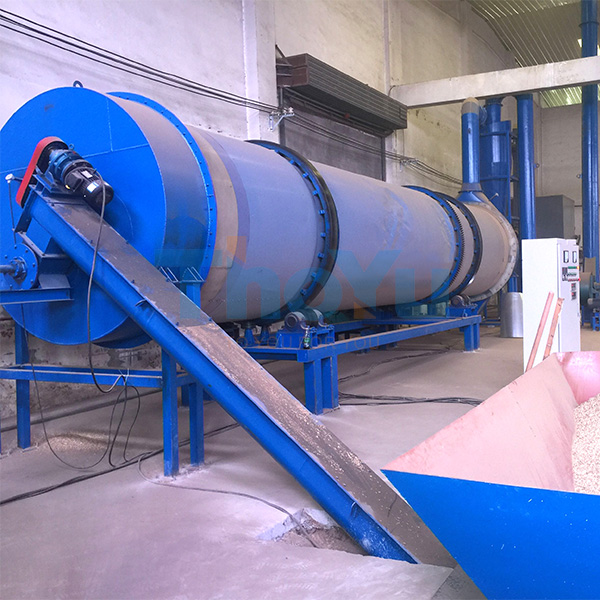
By combining these parameters with a continuous automated feeding mechanism, ThoYu's airflow dryer achieves real-time adjustment capabilities to maintain target moisture levels.
Industry Applications and Case Insights
In practical applications, the system has demonstrated its effectiveness across various wood by-products:
- Sawdust: Initial moisture at 12% reduced reliably to approximately 7% within a single drying cycle.
- Wood Chips: Consistent moisture uniformity enables stable extrusion feedstock properties.
- Rice Husks: Tailored air velocity and temperature profiles achieve optimized drying without structural breakdown.
Optimized Operation & Maintenance for Enhanced Production Stability
Successful implementation of airflow drying technology requires adherence to operational best practices:
- Automatic Feeding System: Ensures uniform material input, reducing moisture variability and improving throughput.
- Regular Equipment Checks: Frequent inspection of heating elements, fans, and control systems prevent downtime.
- Parameter Monitoring: Real-time sensors coupled with a PLC control unit facilitate immediate adjustments on temperature, wind speed, and flow rates.
These measures contribute to heightened equipment reliability, fewer product defects, and ultimately a more energy-efficient drying cycle.
Effectiveness in Enhancing Block Extrusion Quality & Cost Efficiency
Precise moisture control directly impacts the extrusion process for manufacturing biomass blocks. By reducing wood moisture from 12% to a consistent 6%-8%, manufacturers observe:
- Improved Product Integrity: Correct moisture levels prevent block cracking and enhance compression strength.
- Lower Energy Usage: Optimal drying parameters reduce energy waste, leading to a 15-20% reduction in drying-related power consumption.
- Higher Throughput: Controlled drying increases machine uptime and throughput by minimizing clogging and rejects.
Innovation with Sustainability at the Forefront
ThoYu's airflow drying equipment integrates cutting-edge energy-saving features, including heat recovery systems and low-emission fans. This not only aligns with global environmental regulations but also caters to manufacturers’ increasing demand for green production technologies.
The technology's adaptability further allows customization per raw material and regional compliance standards, making it a robust solution for diverse international markets.