
If you're in the business of biomass processing, such as biomass pellet plants or panel manufacturers, you're likely familiar with the challenges of bamboo and straw crushing. These materials have long fibers and are prone to clogging, which can lead to reduced efficiency, increased downtime, and inconsistent output. But don't worry! In this guide, we'll walk you through how to adjust the fineness of a bamboo straw crusher, share troubleshooting tips, and help you optimize your crushing process.
Before we dive into the adjustment process, it's important to understand the unique characteristics of bamboo and straw. Their long fibers can cause jams in the crusher, and the material may not break down evenly. This can result in inconsistent particle size, which is a problem if you need a specific fineness for your end product, whether it's for pelletizing, papermaking, or producing particle boards.
The feed rate is crucial in controlling the output fineness. If you feed the bamboo straw too quickly, the crusher may not be able to handle it, leading to clogging and larger particle sizes. On the other hand, if the feed rate is too slow, it can reduce your production efficiency. As a general rule, start with a slow feed rate and gradually increase it until you find the optimal speed for your specific crusher and materials. For most bamboo straw crushers, a feed rate of about 10 - 15 kg per minute is a good starting point. Try this small tip: observe the output while adjusting the feed rate, and look for a consistent, fine - grained output.
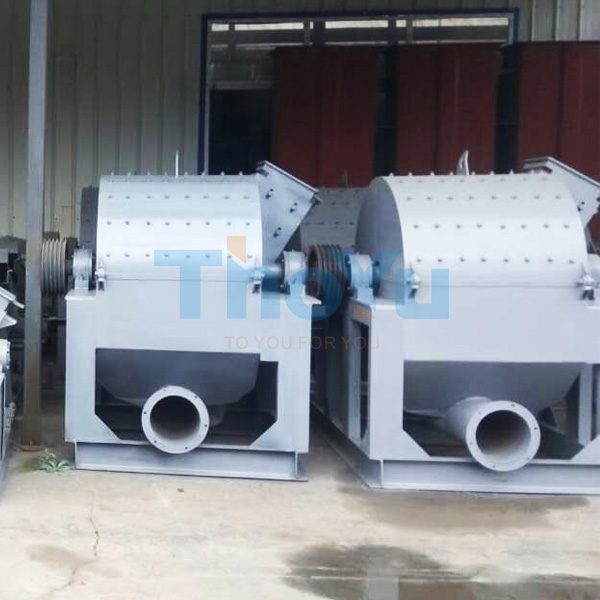
The screen in a bamboo straw crusher plays a vital role in determining the output fineness. Different screens have different hole sizes, which allow only particles of a certain size to pass through. Over time, the screen can get clogged with fibers and debris, affecting its performance. You should replace the screen regularly, depending on your usage. In general, if you're operating the crusher for 8 hours a day, replacing the screen every 2 - 3 days is a good practice. When replacing the screen, choose one with the appropriate hole size according to your desired output fineness.
Matching the rotation speed of the crusher blades with the material is also essential. A higher rotation speed can generate more impact force, which helps break down the long fibers of bamboo and straw more effectively. However, if the speed is too high, it can also cause over - heating and increased wear on the components. For most bamboo straw crushers, a rotation speed of 1800 - 2200 RPM is suitable. You can adjust the speed according to the hardness and moisture content of the material. For example, if the material is wetter, you may need to reduce the speed slightly.
Even with the right settings, you may encounter some common problems during the crushing process, such as jamming and abnormal noise. Here's how to deal with them:
If the crusher gets jammed, stop the machine immediately to avoid damage. First, check the feed hopper for any large chunks of material that may be causing the blockage. Then, carefully remove the jammed material from the crusher. You can also try adjusting the feed rate to prevent future jams. For example, if you notice that jams occur when you feed a large batch of material at once, try feeding it in smaller amounts.
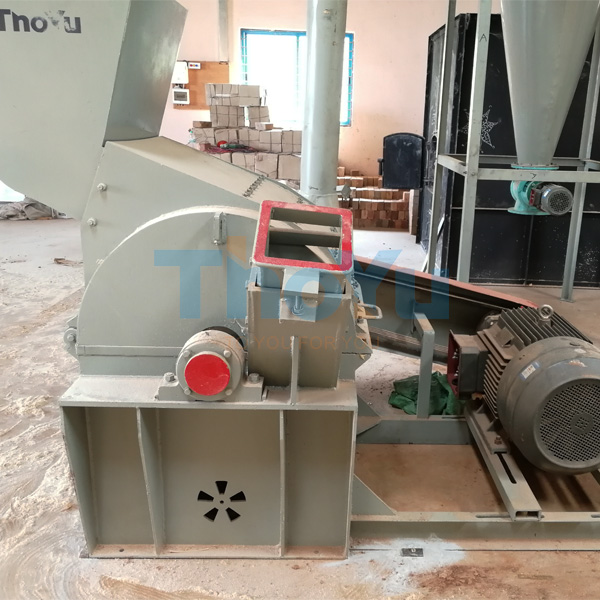
Abnormal noise can indicate a problem with the crusher's components, such as loose parts or worn - out blades. Stop the machine and check for any loose bolts or nuts. Inspect the blades for signs of damage or wear. If the blades are damaged, replace them as soon as possible. Regular maintenance can help prevent these issues from occurring.
In addition to the above parameters, you can also optimize the output particle size by adjusting the hammer layout and the equipment gap. The hammer layout affects how the material is struck and broken down. By changing the arrangement of the hammers, you can achieve a more uniform particle size. The equipment gap, which is like an "output fineness knob", can be adjusted to control the final particle size. For different applications, such as pelletizing or papermaking, you may need different particle sizes. So, it's important to make these adjustments according to your specific requirements.
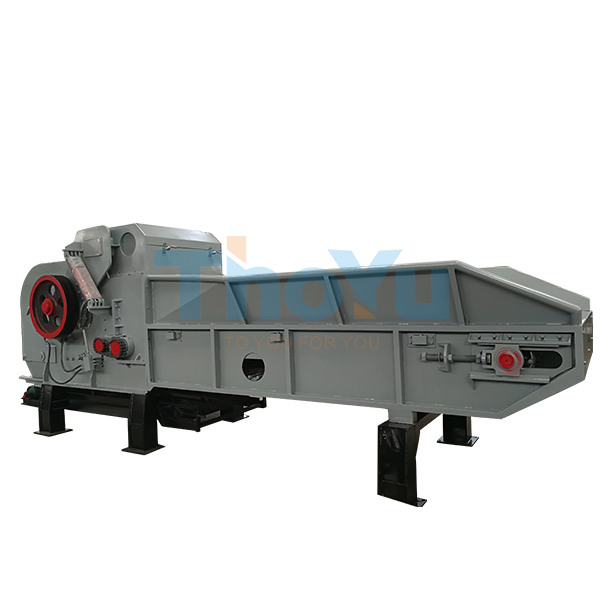
Are you ready to take your bamboo straw crushing process to the next level? Click here to learn more about our bamboo straw crushers and start improving your efficiency, reducing downtime, and ensuring consistent output today!